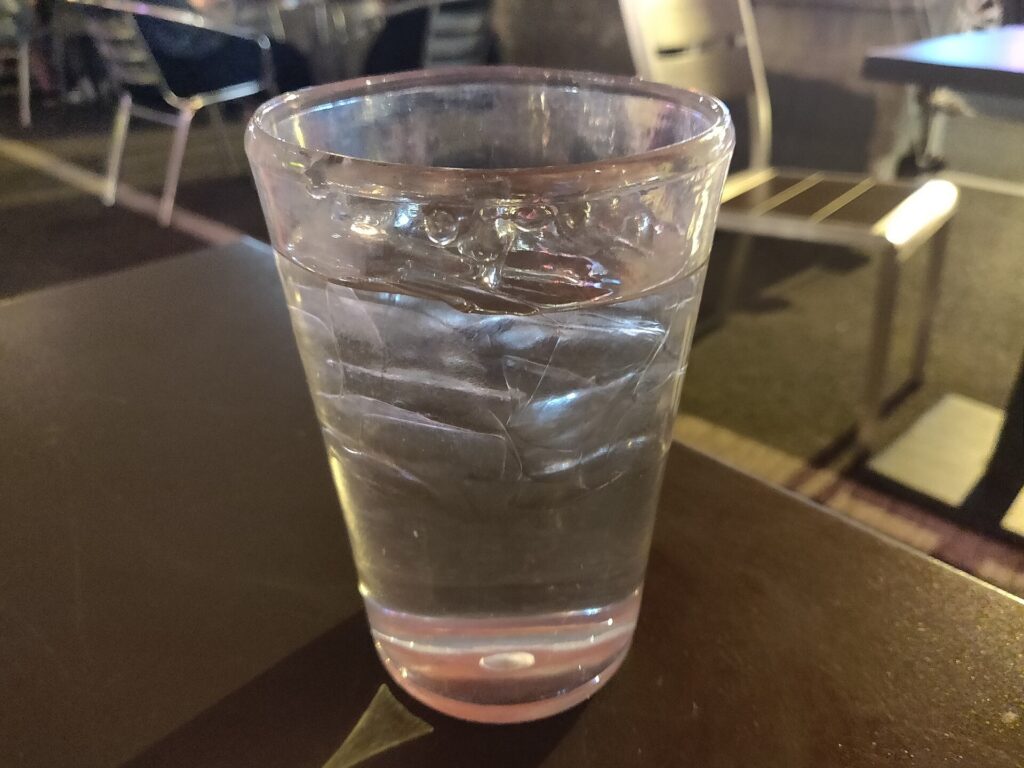
Water is easy to ignore until you go without it. It accounts for well over half the weight of a human body, more like two-thirds, and most people would not last three to seven days with none at all. Every cell and organ depends on it.
A daily range, not a single number
Federal dietary reference figures put adult intake in a range of roughly 2.7 to 3.7 liters a day, which is 91 to 125 ounces. Your own need still depends on sex, weight, age, activity and any medical conditions. That total includes water you get from food, and from drinks such as soup, milk, tea, coffee, soda, tap water and juice.
Alcohol does not add to the body’s supply. It acts as a diuretic and makes the body lose water.
What water is doing
It works as a lubricant, forms saliva and the fluid around joints, and helps control body temperature.
When the tank runs low
Dehydration means the body has less water and fluid than it needs. It can be mild, moderate or severe, depending on how much has been lost or not replaced. Severe cases are a medical emergency.
You can dry out by losing too much fluid, by drinking too little, or both. Sweating, vomiting, diarrhea and urinating often — which can happen with uncontrolled diabetes or medicines such as diuretics — all raise the risk. Older adults and people with certain illnesses, including diabetes, are also more vulnerable. Thirst and a dry or sticky mouth are early signals. Get medical help if symptoms become severe.